
The topic of employee engagement is nothing new in the workplace, but it’s getting more and more attention these days. And with good reason. For an organization to succeed, leaders at every level need to understand and appreciate what makes employee engagement important.
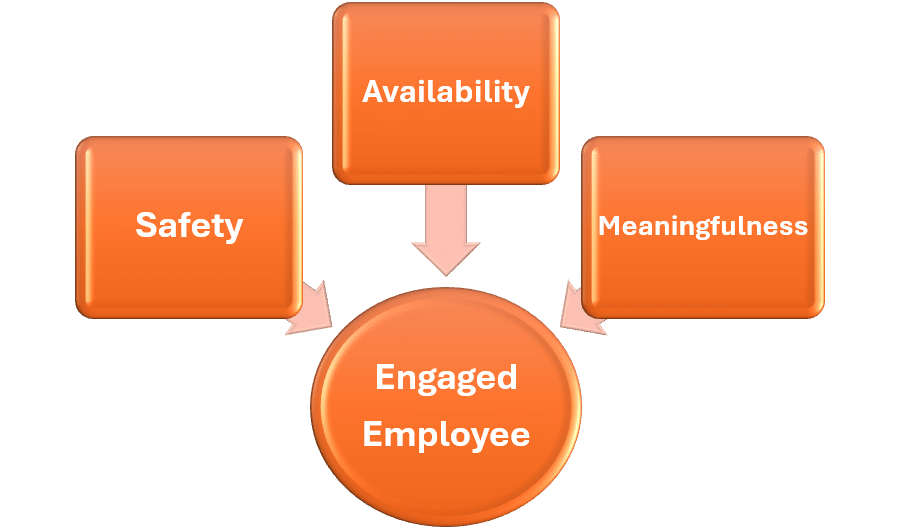
For the last few months, we’ve delved into the “Big 3” of employee engagement: psychological safety, psychological availability and psychological meaningfulness. This month, we’re going to briefly summarize each and look at why they’re so important.
Psychological Safety: This is the belief that team members can be themselves and take appropriate risks without fear of being penalized. It enables them to:
• believe that they’re a valued member of the team
• admit and discuss mistakes
• ask for help and feedback
Why It Matters: Psychological safety plays a big role in decision making, healthy relationships among colleagues, greater innovation and effective execution. Research has shown that prioritizing psychological safety increases productivity, decreases employee stress and reduces turnover.
Psychological Availability: This occurs when employees feel like they have the physical, emotional and mental resources to do their job. Some of the main impactors include: support from leadership, ability to manage workload and stress and feeling like there’s a healthy work/life balance.
Why It Matters: A lack of psychological availability in the workplace is a key contributor to employee burnout. And, as we all know, burnout can be lethal to an organization’s productivity, morale and overall culture.
Psychological Meaningfulness: This is when team members feel motivated within their positions and believe they’re a part of something larger than themselves. While meaningful work looks different for everyone, these three C’s are a common component:
• Community: Team members feel a strong sense of belonging
• Contribution: They understand how their work impacts others
• Challenge: They believe they’re growing in a meaningful way
Why It Matters: Research from the American Psychological Association has shown that workers who perceive their jobs as meaningful report higher job satisfaction, are more engaged, have lower rates of absenteeism and even enjoy better health. It’s no surprise that team members feel more connected when they believe they’re making an impact and a difference.
Having all three of these employee engagement drivers in place can feel like an impossible task. But it doesn’t have to. Leah M Joppy and Associates helps you get to root causes of WHY team members are feeling disengaged. Then, we work with you to come up with ideas and strategies to address these problems quickly.
Learn more by calling us at 301-351-9523 or email us at leah@lmja.com.