
Archive

Categories
Coaching

Helpful Tips On How To Deal With Change

Change and uncertainty in our lives can cause a roller coaster of emotions: fear, anger and sadness, just to name a few. Viewing change as an opportunity can feel impossible when it seems like it’s coming at us from all directions. We can’t stop life’s ebbs and flows, but we can learn how to accept change and even view it as an opportunity. It’s all about how we frame it.

Small adjustments to your mindset and habits can help with resistance to change and dealing with the uncertainty that comes with it. Here are 3 suggestions to get started:

Write down your thoughts: When faced with change, it’s natural for your mind to be flooded with worry, conflicting emotions and ‘what-if; scenarios. Journaling can be a powerful way to understand your feelings, discover self-limiting beliefs and find clarity. Whether you want to write down your emotions, describe your doubts or jot down questions, it’s important to get it all out on paper. Once you’ve written it all down, you can look for patterns or mental blocks you want to work on.

Lean on your support network: Change can feel particularly scary when you feel like you’re going through it alone. Being a part of a supportive social network can reduce stress and improve well-being. Sharing your experiences with your community and listening to the experiences of others can help you feel less isolated and more encouraged to face what’s next.

Accept your fears and don’t be ashamed of them: For most people, fear doesn’t feel good. However, you can fight off many fears by fostering a positive mindset and practicing a few simple thought exercises such as: concentrating on the strengths and accomplishments that have brought you this far; thinking about all of the challenges you’ve overcome and how you worked through them; identifying the root cause of your fear to avoid creating a self-fulfilling prophecy.

Another exercise is to focus on what you can control. Adopting practices that help you connect with and regulate your emotional state (ie: a meditation routine) help develop a deeper sense of strength and resilience. When the next change happens, you’re more likely to see it as an opportunity for growth, learning and for trying something different.

Life has few guarantees, but one thing you can count on is change. Building resilience can be your secret weapon for success and helps you thrive in the face of adversity. With all the changes and uncertainty that 2025 has brought so far, Leah M Joppy and Associates is ready to help you enhance your resiliency skills and face change with confidence. Our course, Building Resilience In Times Of Uncertainty, includes a resilience assessment and provides feedback about resiliency levels in 3 key areas: Challenge, Control and Commitment. Participants learn how to better prepare and manage uncertainty in life. And in a professional world filled with change, it can mean the difference between surviving and thriving. Our second course, What’s Next? Purposeful Planning for Post Retirement, will assist you in developing a proactive plan for a meaningful post-retirement life, grounded in your values, strengths, and experiences.

To learn more, call us at 301-670-0051 or email us at leah@lmja.com.

Share
Categories
Coaching

Dealing With Change. Calling On Our Resilience.

“Change is the only constant in life.” You may not have known that this quote originated from Greek philosopher, Heraclitus, but we bet you’ve heard it a time or two! With the start of a New Year, a change in administration and so many other upcoming events, many of us are feeling the uncertainty  (and stress!) of change in our professional and personal life.

Change is always going to happen, but how we deal with it is crucial. It’s about our level of resilience, otherwise known as the ability to tolerate difficult or stressful situations while still remaining positive and productive. Some call it the ability to “bounce back.” According to the APA Dictionary of Psychology: ‘Resilience is the process and outcome of successfully adapting to difficult or challenging life experiences, especially through mental and behavioral flexibility and adjustment to both external and internal demands.’ It’s a crucial component for your physical and emotional wellbeing and can mean the difference between surviving and thriving.

Embrace the 7 C’s. Understanding and embodying the 7 C’s of resilience can transform how you approach both your professional and personal life. It enables you to navigate obstacles with strength and confidence. Although initially directed at childhood development, Dr. Kenneth Ginsberg’s 7 Cs of resilience are vital in today’s ever-changing workplace. Let’s break it down:

  1. Competence: Develop the skills and knowledge to handle workplace situations effectively.
  2. Confidence: Build the self-confidence to trust your abilities and judgment in challenging situations.
  3. Connection: Foster strong relationships with team members to creative a supportive, collaborative environment.
  4. Character: Cultivate your personal values and integrity to guide your behavior and decision-making process.
  5. Contribution: Feeling that your contributions matter in order to build a sense of purpose and value.
  6. Coping: Develop effective ways to manage stress and adversity. This includes building problem solving and emotional regulation skills.
  7. Control: Focus on the parts of work you can control (i.e., your decisions and reactions) and let the rest go.

We can help. It sounds like a lot, especially when you feel like you’re just trying to stay afloat and manage your day-to-day tasks. But you don’t have to go it alone. Our new course, Building Resilience In Times Of Uncertainty, focuses on how to manage the stress, anxiety and uncertainty of “what’s next.” This course includes a resilience assessment and provides feedback about resiliency levels in 3 key areas: Challenge, Control and Commitment. Participants learn how to increase their resiliency and better prepare and manage uncertainty in their career and personal life. And who doesn’t want that, especially in today’s world?

Call us at 301-670-0051 or email us at leah@lmja.com for more information.


Share
Categories
Coaching Uncategorized

Effective Strategies For Building Your Resilience

Many of us work in constantly connected, ‘always-on’, highly demanding positions where stress and the risk of burnout are common. Add to that the changes of an upcoming administration and it can seem like it’s almost too much to deal with. Since the pace and intensity of our work culture aren’t likely to change anytime soon, it’s more important than ever to build resilience skills to navigate work life. As we discussed in our previous article, resilience is the ability to ‘bounce back’ from challenges and adversity. It can have a major impact on your stress level, mental well-being and overall job satisfaction.

The good news: resilience is a skill that can be developed and strengthened over time. The key is to get started! Here are 7 effective strategies to help foster a positive mindset, manage stress and ultimately develop more resilience:

  • Make your health a priority. A study from NIH found that people are 3.5 times more likely to be resilient when in good physical health. Prioritizing sleep, exercise and proper nutrition is essential, particularly during times of change. Physical health supports resilience and resilience also leads to better physical recovery.
  • Develop a daily routine. Developing consistent habits, no matter how small, can help you make meaningful progress. Build some coping mechanism exercises into your routine, such as breathing and relaxation exercises and a mindfulness practice to better deal with stressful situations.
  • Focus on what you can control: Discerning what you can and can’t control keeps you positive and motivated. It’s also important to not ruminate on the past and focus on what lies ahead.
  • Don’t focus on your weaknesses. Focusing on your strengths helps you grow much faster than trying to improve your weaknesses. As hard as it is, try to see failure as an opportunity. With the right mindset, it can actually be a catalyst for growth.
  • Build a support network. Connect with co-workers, mentors or friends who can offer encouragement and advice during challenging times.
  • Don’t dwell in self-pity. We all know firsthand that life can be hard, but dwelling on our circumstances keeps us from emerging from them and moving forward.
  • Don’t compare yourself to others. Define your own version of success that has nothing to do with others’ strengths and accomplishments.

Resilience is not just about surviving, but thriving in the face of adversity. And it can be your secret weapon for success. Leah M Joppy and Associates is ready to make 2025 the year you enhance your resiliency skills and face changes and challenges with confidence. Our course, Building Resilience In Times Of Uncertainty, includes a resilience assessment and offers feedback about resiliency levels in 3 key areas: Challenge, Control and Commitment. This course will help participants identify strategies to increase their resilience and help manage the uncertainty of what’s next.

Call us at 301-670-0051 or email us at leah@lmja.com for more information.

Share
Categories
Uncategorized

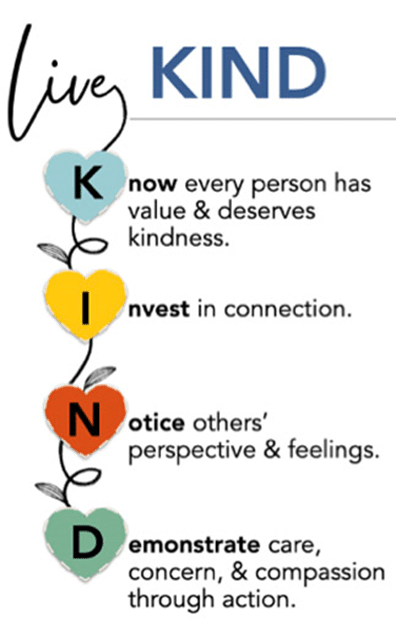
Kindness And Its Impact On The Workplace

When you think about transformative practices in the workplace, the simple act of kindness may not be the first thing that comes to mind. But sayings like “one good act deserves another” and “one kind act will always create another” are more than posters on a wall or something that your mom said when you were young. Researchers from the University of California, San Diego and Harvard performed a kindness study and found that cooperative behavior is contagious. When people benefit from kindness, they “pay it forward” by helping others and create a ripple effect of cooperation. What a powerful tool to improve workplace culture and team member satisfaction!

Just as negativity can quickly permeate a team and cause issues, kindness has a powerful impact on a workplace environment. A ‘culture of kindness’ results in all kinds of amazing benefits, including:

  • Improved employee morale and increased retention: It’s simple: happy employees are more likely to stay and unhappy employees are more than willing to jump ship. Kindness is a key component. Team members who work in a positive environment have a better overall sense of well-being.
  • Enhanced collaboration and teamwork: Kindness fosters a sense of belonging and mutual respect among team members. This can lead to better problem-solving, increased creativity and better collaboration.
  • Reduced stress and better mental health: According to the Journal of Experimental Social Psychology, being generous and kind improves our own sense of well-being. Research like this shows that a supportive work environment can contribute to better overall well-being for workers.
  • Reduced conflict: Practicing kindness at work is a powerful way to diffuse tension and resolve conflicts between co-workers. Dealing with issues in an empathetic way helps employees reach resolutions more effectively and maintain a positive work environment.
  • Enhanced professional growth: A culture of kindness often creates an environment where employees feel comfortable asking for help, seeking feedback and taking risks. This can lead to professional growth with employees continuously improving their skill set.

We spend a majority of our waking time at work. Why not make it a place where spreading kindness and practicing compassion is the norm? This isn’t just a good thought that doesn’t produce results. Kindness can actually transform an organization! One of the best things about creating a culture of kindness is that it doesn’t take much to get started. Acts of service and kindness don’t need to be big or expensive in order to benefit organizations. If you’re feeling like your workplace could use a “kindness reboot”, Leah M Joppy and Associates is ready to help. To learn more, call us at 301-670-0051 or email us at leah@lmja.com.

Share
Categories
Coaching

How Does A Leader Build Kindness At Work?

Kindness hasn’t always been high on the list when it comes leadership. For some, leadership is about being tough and having people do what you say. For others, kindness is seen as a weakness or just the latest fad in leadership. But what if I told you that kindness may be the number one superpower of a strong leaders? Let’s take a closer look at what it means to be a kind, compassionate leader and some ways to put it into action within your organization.

Developed by Roffey Park, the ‘Compassion Workplace Model’ outlines five aspects of compassionate leadership and management:

  • Being aware of the needs of others.
  • Being non-judgmental to the viewpoints of others.
  • Being resilient and tolerant toward personal distress.
  • Feeling and showing empathy at all levels of a professional life.
  • Being accountable and responsible for all good and bad outcomes of the team.

So, what does that look like day-to-day in the workplace? What are some ‘real life’ ways that leaders can practice kindness and build a positive workplace culture? Here are a few examples:

  • Offer genuine compliments: Recognizing your teams’ hard work, achievement or skills can make them feel appreciated and motivated. Remember to be sincere and specific when complimenting them about their work or the impact of their actions.
  • Organize team-building activities: Plan activities that promote bonding, collaboration and fun among team members. Ideas include a group lunch, team games or volunteering together.
  • Practice active listening: Sounds simple, but when a team member is speaking, give them your full attention and listen carefully without interrupting. It goes a long way towards making them feel heard and valued.
  • Celebrate successes and milestones: Recognize the accomplishments of your team members by celebrating their successes, work anniversaries and other milestones.
  • Offer constructive feedback: When providing feedback, focus on being helpful and specific. Offer suggestions for improvement and make sure to highlight positive contributions.
  • Express your gratitude: Make it a habit to show thanks for the support and assistance you receive from team members. A simple “thank you” can go a long way in creating a positive atmosphere.
  • Show empathy during difficult times: Be supportive and understanding when team members are dealing with personal or professional challenges. Offering help, listening or a simple kind gesture shows that you care.
  • Be mindful of workload: Avoid setting unrealistic expectations and communicate clearly about deadlines and priorities.

Challenge yourself and your team to complete a few random acts of kindness today. Track the outcome, record how it made you and your team feel and how it brought people together. Then, watch how it creates a positive ripple effect.

A kind leader is a strong leader. How can you lead with more compassion and empathy? And what impact might it have on your team members and their productivity? Leah M Joppy and Associates can help your organization create a culture of kindness and start reaping the benefits of this powerful tool! Call us at 301-670-0051 or email us at leah@lmja.com to learn more.

Share
Categories
Coaching

Accountability And How It Works

Have you ever worked in an environment where team members were chronically late for meetings and when they did show up, interrupted the flow and needed to be caught up? How about trying to work with people who blamed others for their mistakes or made excuses for not finishing a task or hitting a goal? These are just a few examples of workplaces with a lack of accountability. What starts as small issues can quickly snowball when no one takes ownership of making decisions, addressing challenges and solving problems. And it makes it impossible to create a high performing team.

What does accountability look like in the workplace? A culture of accountability means that team members take responsibility for their performance and project outcomes. They don’t play the “blame game” when something goes wrong, but take ownership of mistakes and try to learn from them. Accountable employees work to find solutions. As a result, an organization thrives and doesn’t have as many issues with productivity and engagement.

That doesn’t mean that holding team members accountable is easy. We often resist doing it because it makes us uncomfortable, we simply forget or maybe we don’t even know how to go about it. Here’s a look at 4 things managers can do to foster an accountable team environment:

  • Lead by example: You can’t hold others accountable until you begin with yourself. As a manager, you set the tone, performance and culture for your team. If you’re continuously showing up to meetings late, pushing deadlines and not owning up to your mistakes, people will follow your lead.
  • Set clear, measurable goals: When you clarify expectations and goals, you help your team understand what their focus should be. Explain what should be done, why it matters and what the final outcome should look like. Most people want to meet their goals and help the team, especially when they truly understand what’s at stake.
  • Work on your feedback skills: Giving tough feedback is never easy, but it’s a necessary management skill and one of the most important to develop. However, it’s also important to provide consistent positive feedback. If all your employees hear about is what they’re doing wrong, that’s hardly motivating. It’s all about clear and respectful communication, something we’ll cover more in our next article.
  • Reward accountability: When managers see accountability being practiced, they should celebrate it and recognize team members that are doing it. Ideas include: making accountability a criteria when considering employees for promotions, publicly thanking team members for taking accountability and solving problems and offering professional development opportunities when team members take accountability in areas they need to learn.

Fostering a culture of accountability on your team will not only improve employee morale, but it’ll also give your team the sense of ownership they need to thrive. If you feel accountability is lacking within your organization, working with a coach, like Leah M Joppy and Associates can help. We can work with you to identify any accountability issues on your team, assist managers with how to deal with them and help build a culture of trust and transparency. The result is more engaged, focused and happy employees!

Ready to learn more? Call us at 301-670-0051 or email us at leah@lmja.com.



Share
Categories
Coaching

Responsible Communication

For many organizations, collaboration is a key element. But just because teams are collaborating more than ever doesn’t mean they’re doing it effectively – and the main culprit is usually communication. In an era where we’re balancing in-person, hybrid and remote workers, effective communication is more important than ever. But it takes work and it often means being candid.

When people hear the words “candid conversation,” it can often be accompanied with feelings of anxiety and a pit in their stomach. But being “candid” doesn’t have to be synonymous with being disrespectful or unkind. In fact, candid communication used in the right way is kind – it builds greater trust, transparency and opens the door to more constructive conversations about tough issues.

So often, managers (particularly new ones) and team members are focused on being “nice” and they’re afraid to speak up when problems arise. Or they sugar coat communication so much that it loses any effectiveness. There are ways to be both candid and respectful. Here are a few tips to keep in mind:

  • Learn how to provide feedback: We touched on this briefly in our last article, but learning how to give constructive feedback is so vital. When challenges arise, leaders can use both kindness and candor at the same time. The key is self-awareness and training. It’s important to understand your own feelings about having difficult conversations, especially if you’ve had experiences when feedback was given in a hurtful way or if you’re uncomfortable with conflict.
  • Build trust through communication: When you build relationships that include mutual trust, you and your team will be more comfortable bringing up issues and being yourselves. How do you build that kind of relationship? Actually, the first step is being more candid! A leader who provides honest and transparent communication is more likely to gain the trust of their team than someone with a facade of “niceness”.
  • Make sure you lead by example: Again, it all comes from the top. Show that you’re open to feedback (ask for it!) and others will do the same. Provide opportunities for team members to bring up issues without having to be afraid of repercussions and reward those who do it respectfully. Not every candid remark will be helpful, but nurturing a culture of candor and kindness has more benefits than downsides.

Remember that approaching difficult conversations with kindness allows you to be both objective and empathetic – and these are the basic requirements for candidness.

Effective communication is the backbone of any organization, yet many leaders struggle when it comes to having honest, candid conversations with team members. Working with a coach, like Leah M Joppy and Associations, can help managers at any stage in their career take a closer look at their communication style, areas for improvement and tactics to provide feedback and solve problems in a direct and respectful way. Your employees will thank you for it!

Call us at 301-670-0051 or email us at leah@lmja.com to learn more.


Share
Categories
Uncategorized

Psychological Safety And Teams

Take a moment and think about the last time you had a meeting with your team members. Was everyone engaged and encouraged to share their ideas? When someone did speak up, was everyone listening or were they distracted by their phones? Were new ideas or questions met with interest and enthusiasm or was there a bit of laughing and a “that will never work” kind of attitude? As we go through our daily routine, we may not think about how the workplace environment is shaping the attitudes and perceptions of team members. But there’s an important component of workplace motivation and engagement that shouldn’t be ignored: psychological safety.

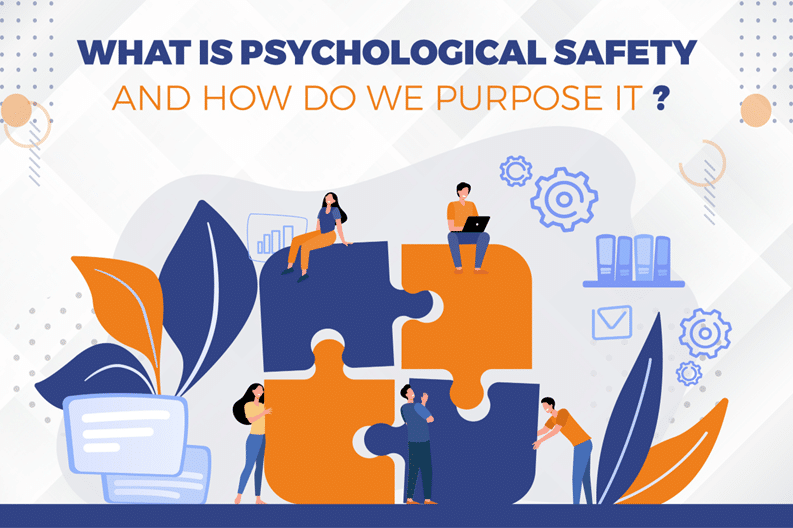
What exactly is psychological safety? It’s the belief that people feel safe in admitting they don’t know something or can disagree with an opinion without the risk of being thought less of, penalized, retaliated against or considered not a team player. It’s feeling comfortable taking risks and expressing work-related thoughts and feelings. Psychological safety plays a vital role in decision making, healthy interpersonal relationships, greater innovation and more effective execution within organizations.

The big question on leaders’ minds is, “How do I know if my team has psychological safety?” The answers to these 7 simple statements, developed by Amy Edmondston, Harvard Business School professor and author of The Fearless Organization, can give you a sense of the degree to which employees feel psychologically safe:

  • If you make a mistake on this team, it is not held against you.
  • Members of this team are able to bring up problems and tough issues.
  • People on this team often accept others for being different.
  • It is safe to take a risk on this team.
  • It isn’t difficult to ask other members of this team for help.
  • No one on this team would deliberately act in a way that undermines my efforts.
  • Working with members of this team, my unique skills and talents are valued and utilized.

A lot of what goes into creating a psychologically safe environment are good management practices. This includes things like encouraging open communication and actively listening to employees, making sure team members feel supported and making it clear that their voice and ideas matter.

Here’s what psychological safety is not: It’s not about “being nice” or creating an environment where people have to feel comfortable all the time. Taking risks can make people feel like they’re out of their comfort zone. Mistakes happen and need to be pointed out in order for learning to take place. The key is that these risks and mistakes happen in a safe environment.

Psychological safety has become a hot topic in the workplace and for good reason. An environment where it’s lacking results in greater employee dissatisfaction, less productivity and innovation and, ultimately, more turnover. How would you rate the level of psychological safety within your organization? Do team members feel comfortable sharing their ideas, questions and concerns or is there room for improvement? That’s where Leah M Joppy and Associates can step in and help. We can look at your current practices and help you craft new and innovative ways to communicate, problem-solve and engage with team members.

Ready to learn more? Call us at 301-670-0051 or email us at leah@lmja.com to learn more.

Share
Categories
Uncategorized

The Psychology Of Employee Engagement

We spend the majority of our week at the office, yet how often do we stop and think about what makes us really excited about our job? For leaders, do you ever consider what keeps team members motivated to do their best work? We get so caught up in the next project and deadline that sometimes we forget to focus on how to improve engagement in the office. That’s where the three principles of employee engagement come into play: psychological safety, psychological meaningfulness and psychological availability.

In our last article, we took a look at psychological safety. Here, we’ll take a closer look at the other two components: psychological meaningfulness and availability. All three were developed by organizational psychologist William Kahn, author of the 1990 study “Physical Conditions of Personal Engagement and Disengagement at Work”.

Psychological Meaningfulness

What is psychological meaningfulness? It’s when team members feel motivated within their positions due to challenge, opportunities for autonomy and strong goals. They feel like they’re a part of something larger than themselves. If you give people challenging and meaningful work, you set them up for success and they’ll reciprocate by pouring themselves into that work. Research from the American Psychological Association has shown that workers who perceive their jobs as meaningful report higher job satisfaction, are more engaged, have lower rates of absenteeism and even enjoy better health.

How can organizations increase psychological meaningfulness with team members? Here are a few tips to help:

  • Communicate the work’s bigger impact and make team members aware of the connection between their contribution and the result.
  • Recognize and mentor team members’ potential. Ask them what they’re interested in, learn what their strengths are and match them with opportunities.
  • Nurture personal connections with team events, check-ins, educational opportunities and social time.
  • Give team members autonomy and use “leading to support” behaviors (ie- clarify confusing or missing information related to team goals or tasks, provide reasons for any policy changes and encourage team members to be self-starters).

Psychological Availability

What is psychological availability? It’s when team members team members feel the demands of their position are reasonable and achievable. They believe they possess the physical, emotional and psychological resources necessary to do their job.

How can organizations increase psychological meaningfulness with team members? Here are a few ways to help:

  • Provide learning opportunities and feedback that allows them to feel confident about investing themselves in their work. In short, set team members up for success.
  • Ensure that team members have the necessary resources to do their jobs. This includes examining the physical work environment (noise level, lighting, accessibility to quiet meeting spaces, etc.).
  • Examine if the demands of the job are achievable. Make work/life balance a priority.
  • Provide empathy for personal situations by offering support and resources. Look for any changes in behavior and have regular check-ins.

Most organizations don’t know where to begin when it comes to helping their employees find more meaning in their positions and increase overall engagement. The typical “office perks” are often surface level and don’t delve into the root issues. That’s where Leah M Joppy and Associates can help. A fresh approach and perspective, combined with experience tackling all different types of employee disengagement issues is just what you need to jumpstart your team’s motivation! Call us at 301-670-0051 or email us at leah@lmja.com today.

Share
Categories
Uncategorized

When Your Team Hits An Obstacle

You and your team are working on a project and, suddenly a problem (or two or three) develop and threaten to derail your progress. Dealing with obstacles and challenges is a regular part of working life and overcoming them isn’t always easy. People tend to do three things when faced with a problem: 1) they get afraid or uncomfortable and wish it would go away; 2) they feel that they have to come up with an immediate answer and it has to be the ‘right’ answer; and 3) they look for someone to blame. Most of us are ‘conflict-adverse’. It makes us feel uncomfortable and dealing with that discomfort is a huge challenge. That’s why building a culture of creative problem solving in the workplace is so vital.

So, what exactly does creative problem solving mean? Creative problem solving or CPS is a method for approaching a problem or a challenge in an imaginative and innovative way, aka thinking “outside of the box”. It helps you redefine the problems and opportunities you face, come up with new, fresh solutions and then take action. If you do an Internet search on the term, you’ll find many variations, most of which can be traced back to the work started by Alex Osborn in the 1940s and further developed at Buffalo State College and the Creative Education Foundation. CPS is based on a few core principles:

  • Everyone is creative.
  • Creative skills can be learned and enhanced.

CPS is an essential soft skill that can help leaders and team members find new solutions to old problems and thrive in a fast-paced and ever-changing environment. Making creative problem solving a priority has a wealth of benefits for organizations:

  • It encourages innovation
  • It improves productivity
  • It allows for adaptability
  • It fosters growth

And here’s a really big one: It leads to better job satisfaction. When people are encouraged to be creative, they’re also more engaged. They’re not just solving problems in the stale, same old way, but are brainstorming and coming up with new, fresh ideas to approach challenges. This encourages retention and more joy in the workplace. And who doesn’t want that in today’s competitive hiring environment?

How many of us have had training in problem solving? We know it’s an important part of our role, but do we actually know how to do it effectively? That’s where working with a coach, like Leah M Joppy and Associates, can help. We can walk you through the CPS process, work with your leaders and team on how to approach problem solving in a fresh way and support you through any challenges during the entire process. Call us at 301-670-0051 or email us at leah@lmja.com to learn more.

Share

How Can We Help?

Leah M. Joppy & Associates

Derwood, MD 20855